
EXECUTIVE INTERVIEWS > PUBLIC SECTOR
Amel Mahgoub talks to us about Agribusiness
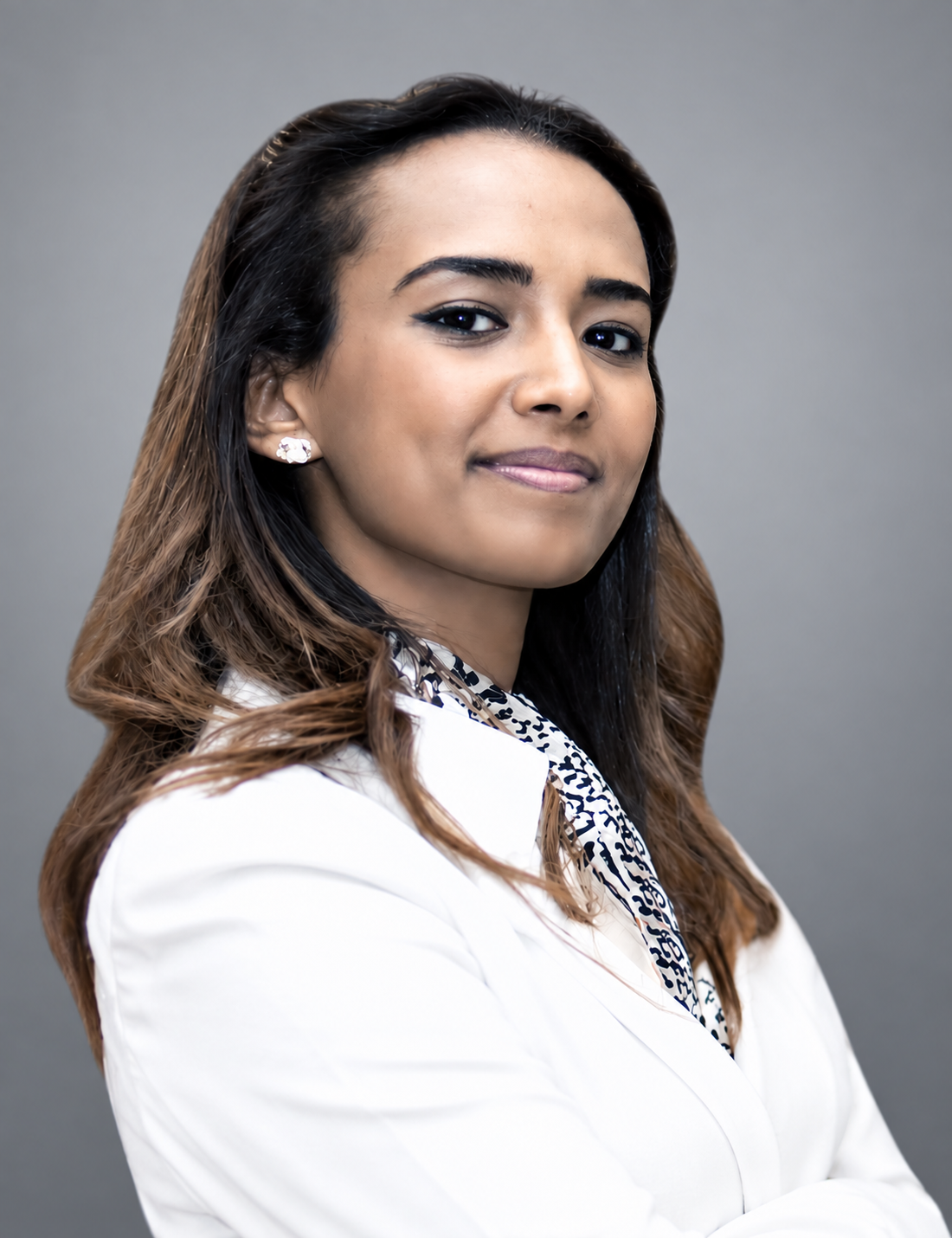
We interview Amel Mahgoub, Director at MSG Food, who tells us about the
organization and agribusiness in Sudan.
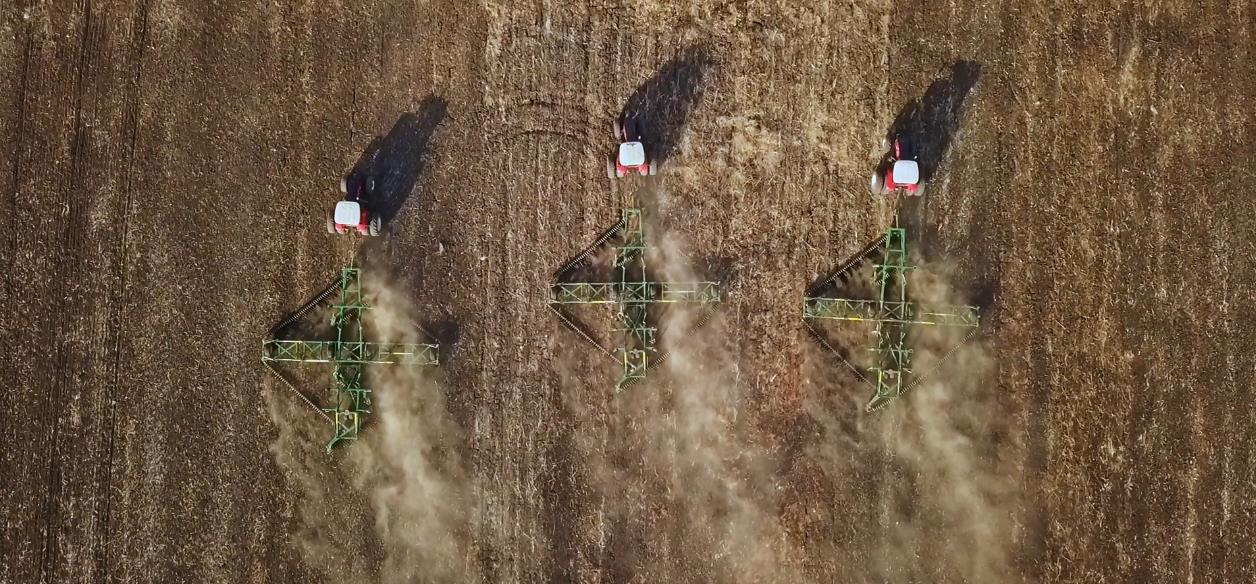
The group was established in 1969 by our late grandfather MERGHANI MAHGOUB. African Plantation Company is our oldest company with operations in farming in the south of Gedarif. The group then expanded into the import of agricultural machinery and implements, agricultural services, export of Sudanese crops such as sorghum and sesame, the import of fertilizers, food products such as wheat and finally agricultural manufacturing. It is evident that the group’s core work revolves around agricultural farming be it through horticulture or livestock breeding as well as the agricultural manufacturing. Today the group owns more than 20 companies all inter-related and working together to support the vision of our late Merghani Mahgoub that Sudan is the food basket of the world, full of resources and there’s no alternative to agriculture but agriculture.
It is certainly not an easy task and the challenges are many. But the main challenge is the very weak and limited financial support the state provides for this sector. Long term financing for the infrastructure is non-existent from the commercial banks in addition to the non- availability of CAPEX financing. The research and development institutes that existed back in the 70s and 80s have all been destroyed and lastly, the volatility of the state policies on macro & micro level that directly affect the production sectors. We interview Amel Mahgoub, Director at MSG Food, who tells us about the organization and agribusiness in Sudan. For more information on Mahgoub Sons and their group of companies, please visit www.mahgoubsons.com
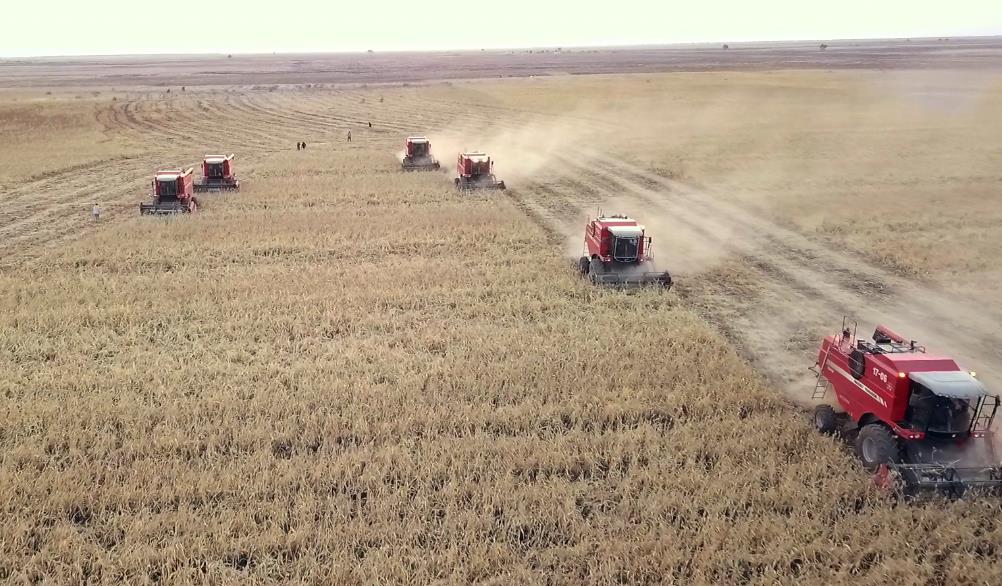
The most challenging crop to farm in our opinion and long expertise in the field is cotton. That is due to the fact that the cost of production is higher and the crop growth period is longer when compared to other crops. The marketing of cotton is also challenging especially after Sudanese cotton has been away from the international market for decades. For that reason, we believe the solution is the local manufacturing of processed cotton to export it with added value and get higher returns, to avoid raw commodity market competition. Exclusive dealers of Massey Ferguson in
Sudan
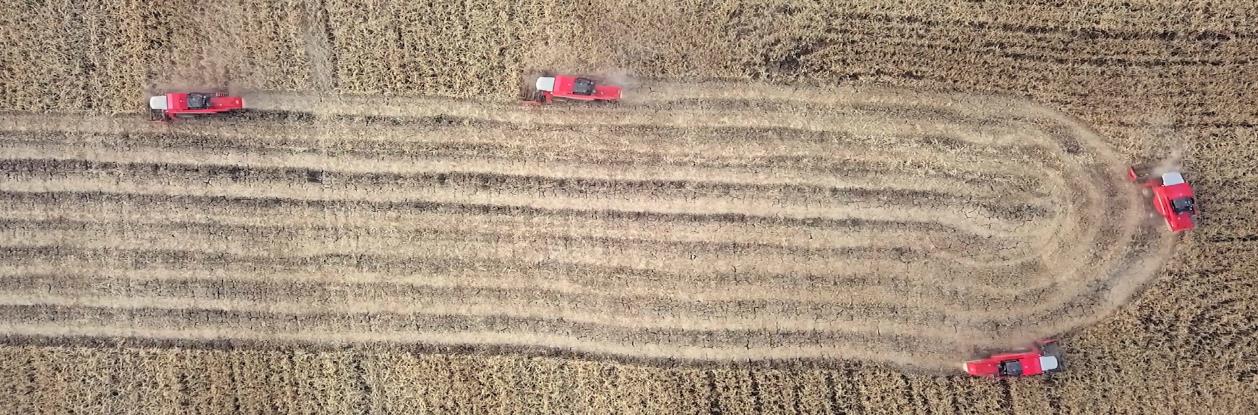
Sudan needs to put its agricultural sector on top of its agendas for long term economic reform, by increasing its spending on this sector to reach at the least 10% from its total expenditure. As well as an optimistic and futuristic infrastructure plan and most importantly spending on the establishment of research and development institutes with some focus on water harvesting projects to save all the excess seasonal water Sudan is enriched with and finally the establishment of training institutes to catch up on the technological advancements that Sudan should be using to enhance production and productivity.


To the young Sudanese entrepreneurs, we encourage and support these start-ups subject that you are deeply passionate about farming. It is an exhausting business, incredibly challenging and requires a lot of patience and time to be able to see returns. Do not give up and always know you are in the right area of business for the future of Sudan.
Sudan Business Magazine