
EXECUTIVE INTERVIEWS > PUBLIC SECTOR
BUILDING SUDAN’S BATTERY POWERED TRICYCLES & BIKES
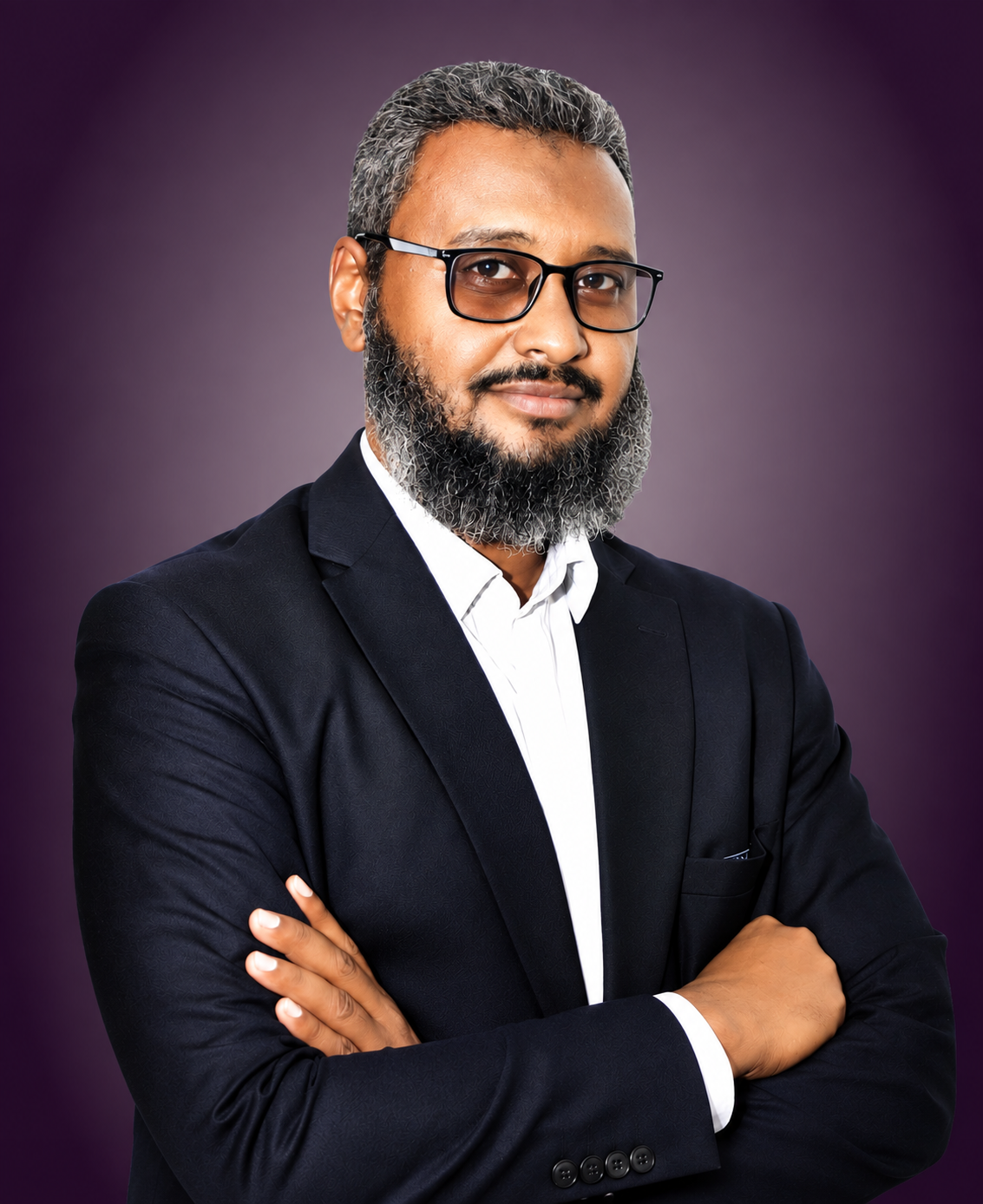
Mohammed Samier’s mechanical engineering background, career in the automotive industry and entrepreneurial spirit opened up his eyes on an opportunity to use technology which shall disrupt the transportation industry in Sudan and Africa at large. Mohammed completed a Global MBA in Impact Entrepreneurship from the University Cattolica del Sacro Cupre Milan during his journey in starting Sudan’s first electric tricycle and bike assembly factory. Mohammed built a business which is raising Sudan’s investment and opportunity profile to the world.
In 2016, a relative purchased a petrol tricycle for carrying cargo to increase his income, but after three months, the operation cost more than the income from the vehicle. After six months, the tricycle needed a new engine. At that time, I started researching how to manage fuel and maintenance and extend the durability of tricycles. I found that electric tricycles were the best solution. I started searching for companies working in this field, and I found one in China. I ordered test samples from them in 2018 and made some modifications to suit our market. This resulted in the eventual establishment of Al-Shehab Factory as a Complete Knock-Down assembler in Sudan, manufacturing the chassis, welding, painting, bodyworks, final assembly, and quality tests.
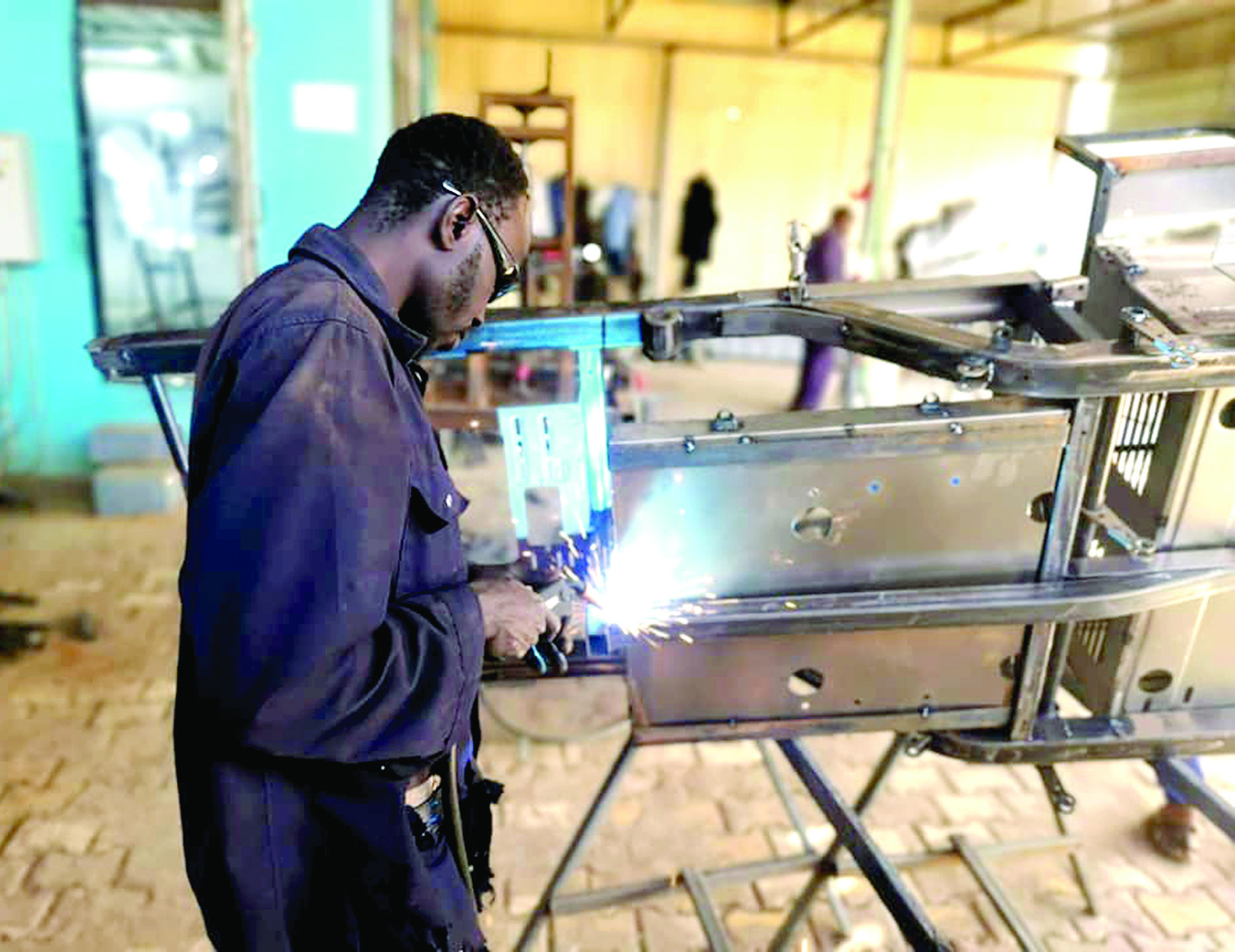
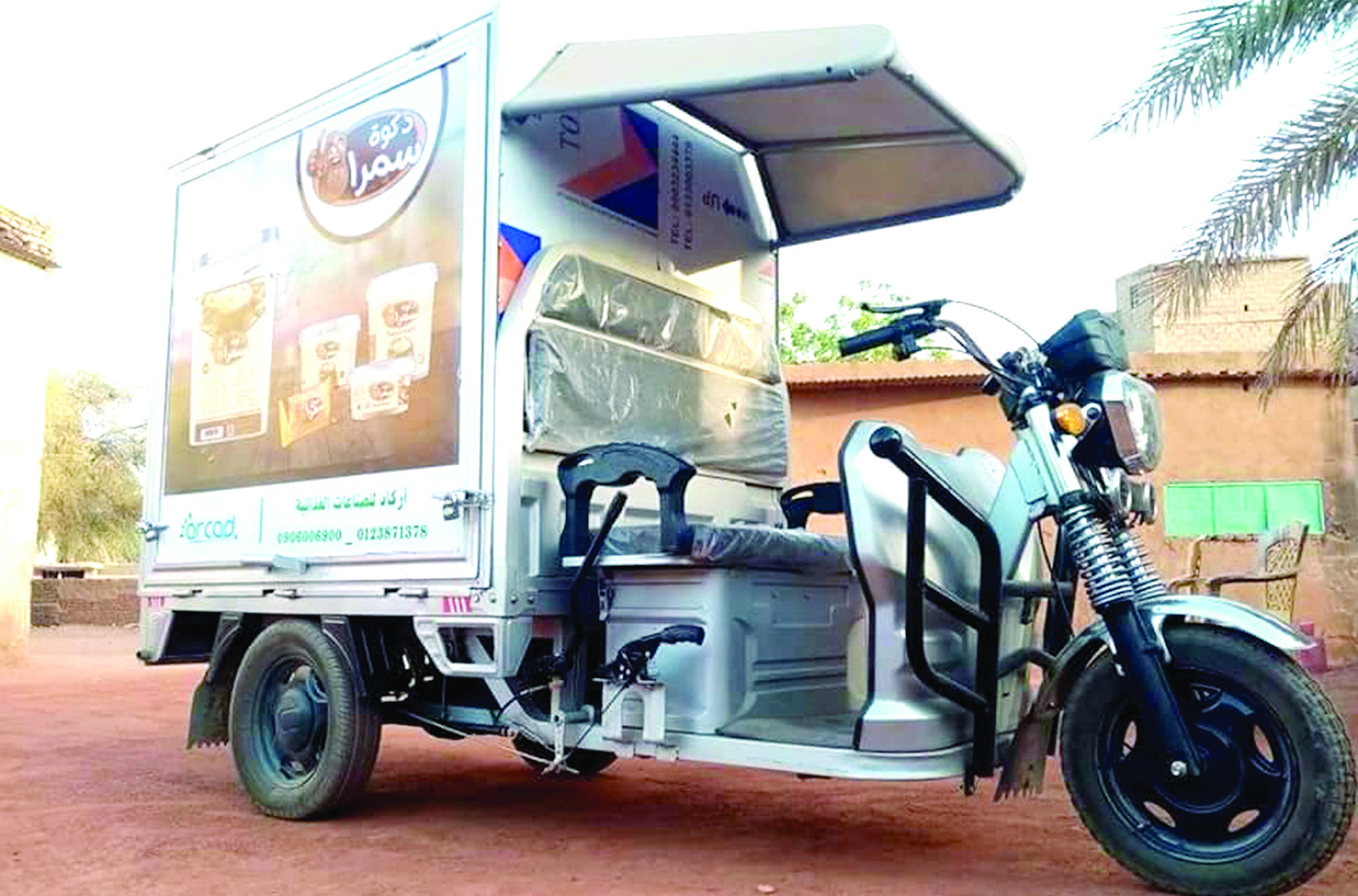
Customers had a problem, and we provided the solution. The fuel price, maintenance costs, and wait time for repair are all minimal. There is no fuel needed, the maintenance is much less than on petrol vehicles, and there is zero pollution. At first, our customers were a hesitant of the new product because it was unfamiliar to the Sudanese market, however we allowed for test drives, which resulted in sales. We made a socioeconomic change, and we achieved three sustainable development goals (SDGs), reduced poverty, good health, well-being and action for the climate by reducing CO2 emissions.
One gallon of petrol in October 2022 costs 2,349 SDG, while one charge costs 100 SDG for a cargo tricycle and 200 SDG for a passenger tricycle. It takes eight hours to charge and averages 100km-120km per charge. (conversion USD$1 = SDG575)
Because tricycles are uncomplicated and have simple components, we train our customers themselves to do the maintenance. We also have dealers throughout Sudan who can provide maintenance services and spare parts, alongside our team of emergency staff who are ready to reach customers anywhere if they need roadside assistance.
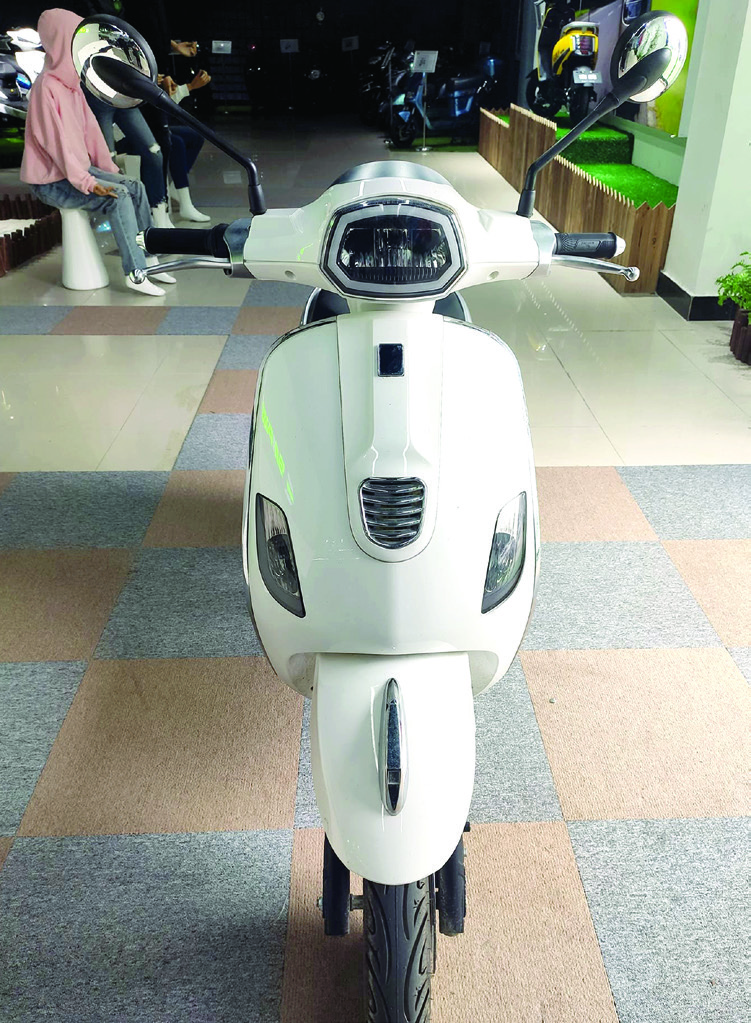
We manufacture and assemble three-wheeled tuk-tuks and two-wheeled bikes, all electric- powered. We are focused on targeting the affordable commuter sector. These are basic transportation vehicles with no additional options, and this is how we maintain an attractive price for the public.
Government bureaucracy combined with hefty fees that are not suitable for start-ups. Bank financing is another challenge. A Sudanese enterprise like ours has limited finance offerings due to high payback rates for loans. The recent global disruptions in logistics had a strong impact on the prompt delivery of raw materials, and, finally, the electricity supply for manufacturing has been inconsistent. Yet, we are a Sudanese business, and we will survive and strive against all odds.
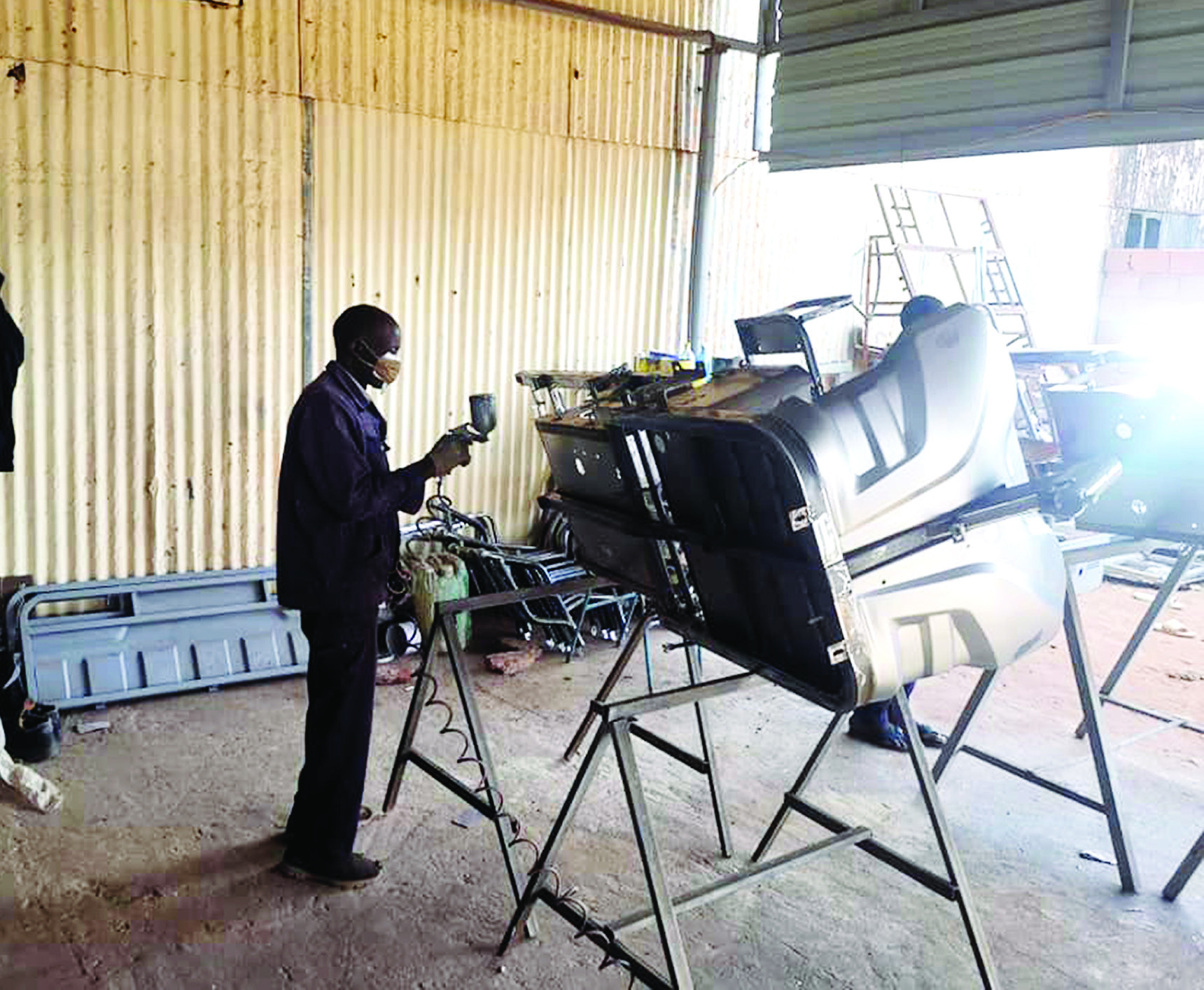
To date, we have employed a Sudanese workforce only. This is for the full lifecycle of the product delivery, including sourcing, welding, assembling, painting, testing, and applying quality controls. We are proud to have created new jobs, a new mindset and skills that were previously unavailable in the Sudanese employment industry.
This month, we have just loaded a delivery to Kenya. We are proud to enter the Kenyan market, especially since their capabilities are far more advanced than in Sudan. We are also in discussions with clients from other neighbouring African countries and anticipate building our network far beyond the African continent.
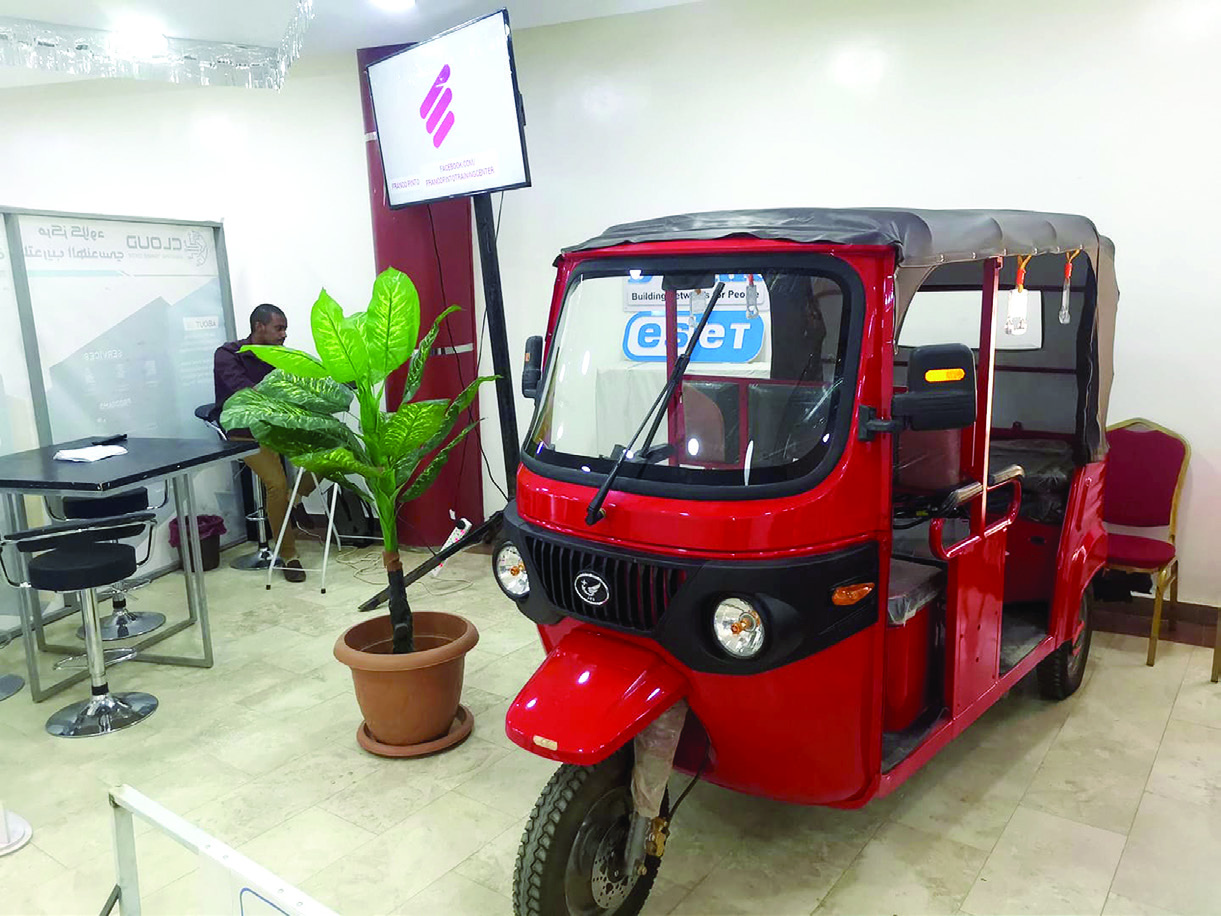
Expanding in local and regional markets and in the electric vehicle industry. The model, cost base, and simple and basic features provided in our existing tuk-tuk and bike portfolio can be replicated in other vehicles. It is imperative to keep our costs and sales prices low and continue to unleash electric-powered vehicles into the Sudanese market. Tesla or equivalent electric vehicles are over-specified for what Sudanese commuters need, and affordability continues to be an issue.
Quality is needed from the very beginning. Fix it right is our quality mantra. Every product has its own quality checklist, and after it is finished, we run a final test. We are also local, so any malfunctions can be checked out and resolved immediately, unlike international brands that appoint an agent, and the agent adds a markup on a markup, which is not good value for Sudanese commuters. We are a Sudanese business, and we will survive and strive against all odds.
Sudan Business Magazine