
EXECUTIVE INTERVIEWS > PUBLIC SECTOR
BRINGING BETTER HEALTHCARE
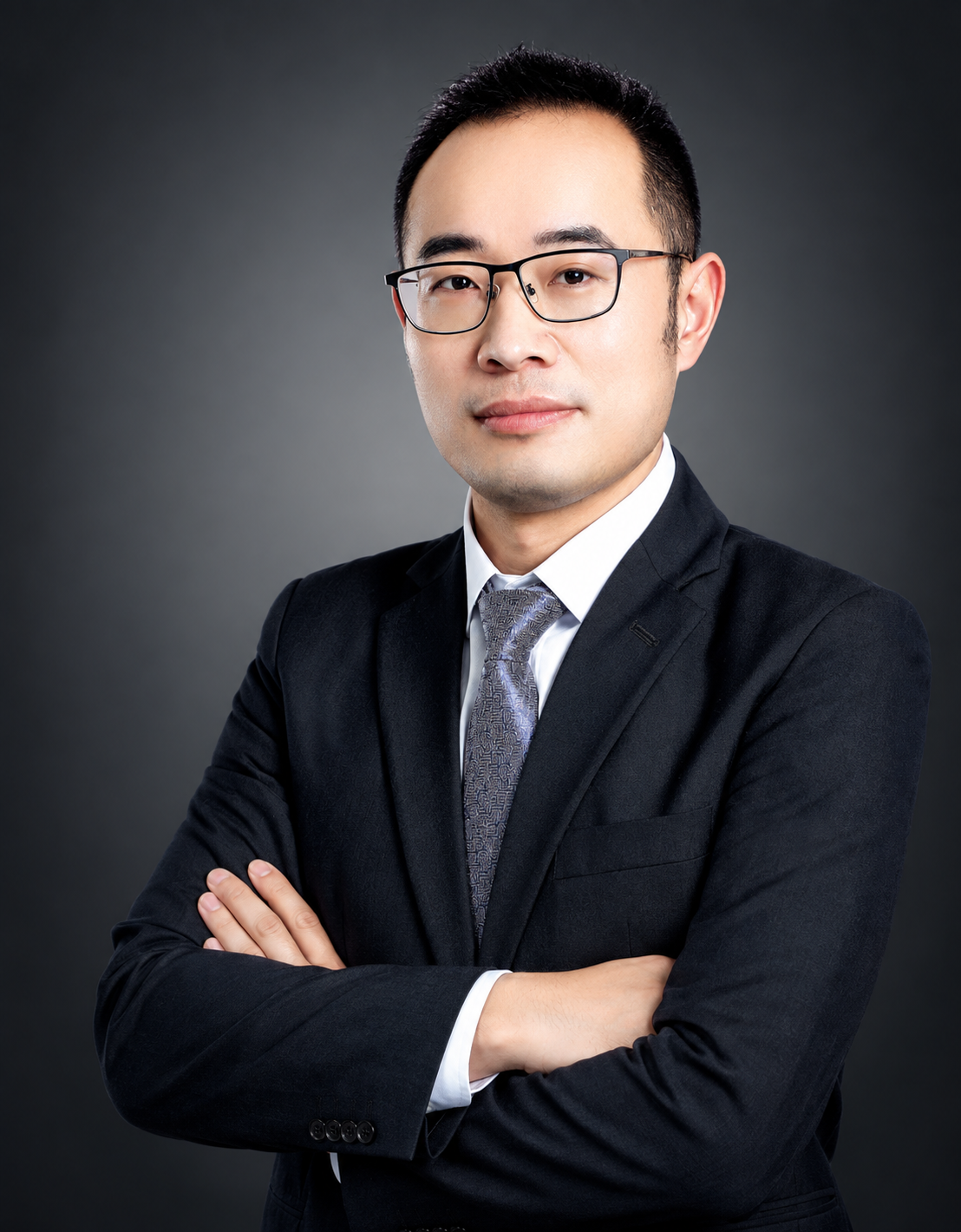
Mr. Liu Hongbo joined Shanghai-Sudan Pharmaceutical as General Manager in 2019 and has been working in Sudan for over three years. M R. LIU HONGBO holds a Masters in Economics and a Bachelor of Chemistry from China. He joined the stock exchange listed Shanghai Pharma (HKSE: 2607) in 2006 and held senior roles in global trade, commerce, third party logistics and the business de velopment departments. He has a deep understanding in the pharmaceutical industry with a passion to grow Shang hai-Sudan Pharmaceutical.
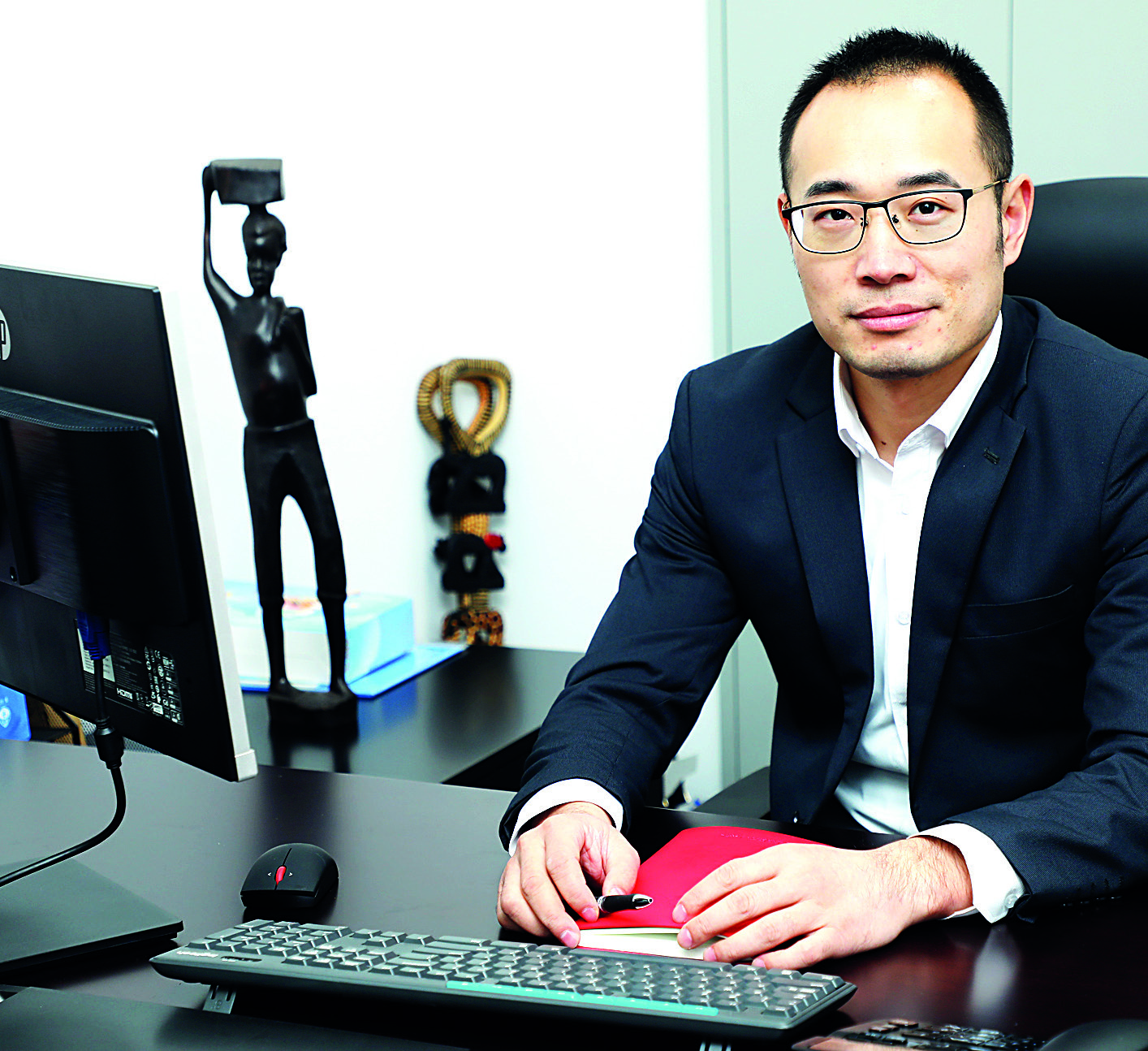
Thank you. This is my first time working overseas, and it has been an unforgettable experience to date. I am the eighth general manager of Shanghai-Sudan Pharmaceutical. Prior to my arrival, my predecessor had been based in Sudan for more than 15 years. He shared his experience and briefly explained the differences between the cultures and in teresting facts about living and running a busi ness in Sudan. He was spot on, I am pleased to share with the world that the Sudanese are very friendly, hospitable and optimistic about life, which left me with a deep impression. At the office, we have a very harmonious team, where everyone is honest with each other and willing to share ideas. Sometimes we have dif ferent opinions though, we can always reach consensus through rational communication. Shanghai-Sudan Pharmaceutical is my first foray into pharmaceutical manufacturing. Although the economic situation in Sudan has been challenging in recent years, I have gener ally enjoyed working here and contributing to the economy.
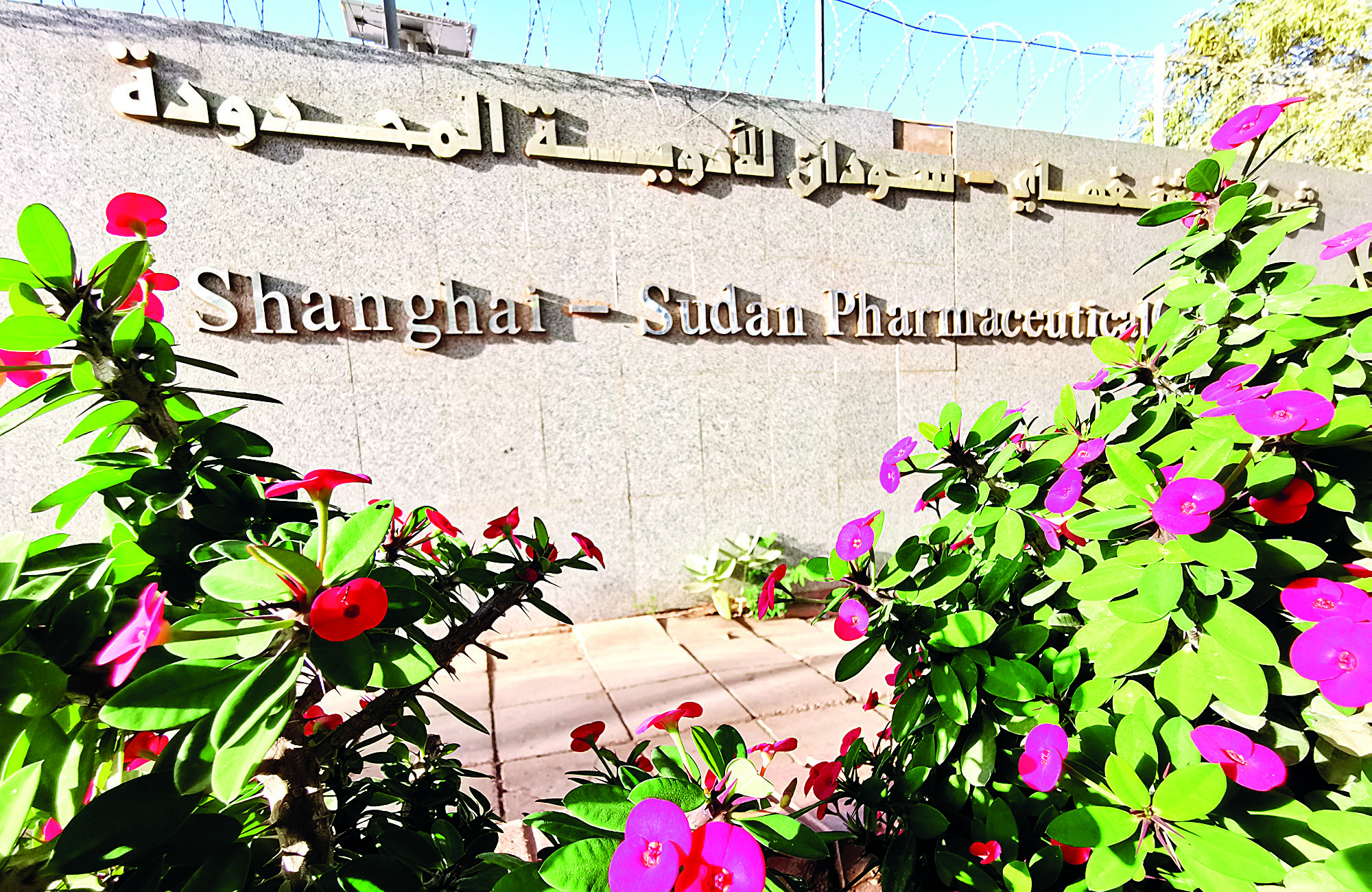
Established in 1998, Shanghai-Sudan Phar maceutical has become a first-tier phar maceutical enterprise in Sudan under the management of both shareholders (Shanghai Pharma and National Medical Supply Fund, a subdivision of the Sudanese Federal Ministry of Health). Unlike other pharmaceutical com panies in Sudan, the shareholders are gov ernment backed, which determines that the company’s purpose is to pay equal attention to both economic and social benefits. In fact, the history between Shanghai and Khartoum in the medical field dates back to 1993, when a Chinese delegation visited Sudan and the representatives of Shanghai Pharmaceutical Company accompanied the delegation, thus establishing cooperative relations. With the deepening of bilateral co- operation, Shanghai Pharmaceutical Company and the National Medical Supplies Fund signed a joint venture agreement in 1997, which turned from trade cooperation to an industrial cooperation and opened a new chapter. Since its inception in 1998, the joint venture being Shanghai-Sudan Pharmaceutical has been committed to implementing the concept of pragmatic management. Sudan’s drug supply problem has not been fully resolved for many years, and local pharmaceutical companies have not yet been able to enforce Good Manufacturing Practice (GMP). From the very start, we decided, either not to build a production line, or if we build one, we must build it in line with GMP requirements. Over the last two decades, we have been striving to provide affordable products for the Sudanese market as much as possible under the premise of ensuring the quality of medicines, so that more people can afford them. We hope that our practical actions can facilitate the whole local pharmaceutical industry to improve the development quality of the industry. In addi- tion, we also actively introduce additional new drugs to compensate the replacement of older products. For more than 20 years, the com- pany has completed two or three generations of product upgrades, keeping the products affordable whilst also providing more options to the Sudanese market. As the company grows, so does our sales network. At present, the company covers all 18 states of Sudan through public institutions, agents and pharmacies. In this way, people in remote areas will not be denied medical care because of poor transportation.
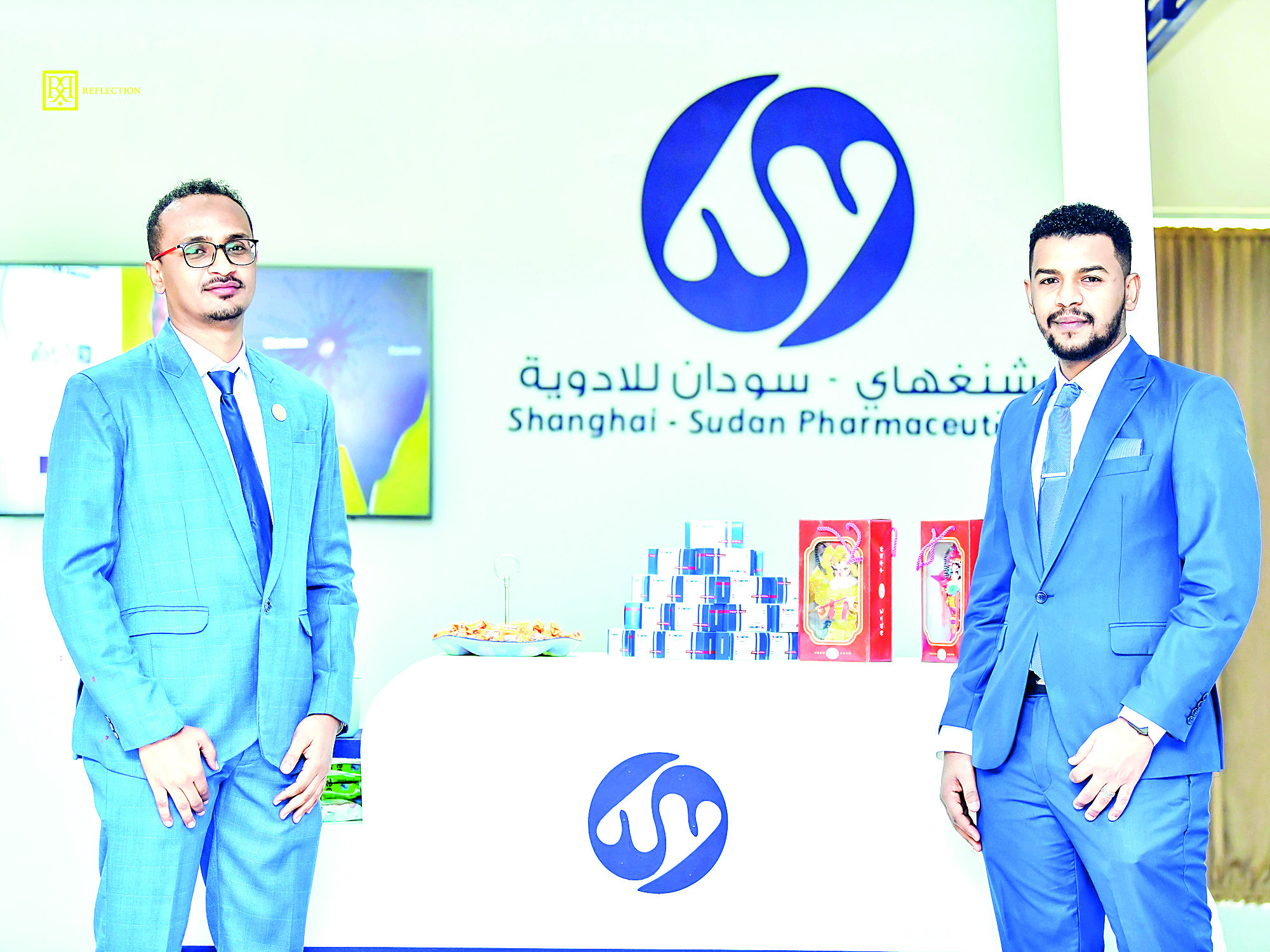
At the beginning of 2020, the company com- pleted the construction of a new investment, a ß-lactam solid preparation workshop, which is a good supplement to the company’s busi- ness. As a result, the number of employees has grown rapidly in recent years, from 130 employees in 2019 to more than 220 today, including more than 30 Sudanese employees at supervisor level or above. The rapid growth of the number of employees brings some new requirements for internal management, including the need for training. We usually make annual plans according to the development targets of the company at the beginning of each year and carry out staff training programs in different forms. When employees join the company, the first training they receive is HR training, as well as the necessary on-job training, so that they are aware of the legal protection of their rights and obligations at work. Training takes a variety of forms; within the department, or training from other departments within the company, or training from external sources. We also provide training to employees before they are promoted or transferred. We hope that through training, employees can obtain the necessary knowledge, which can not only ensure the quality of our products, but also bring stability to the company’s talent team, so that our people can play a greater role.
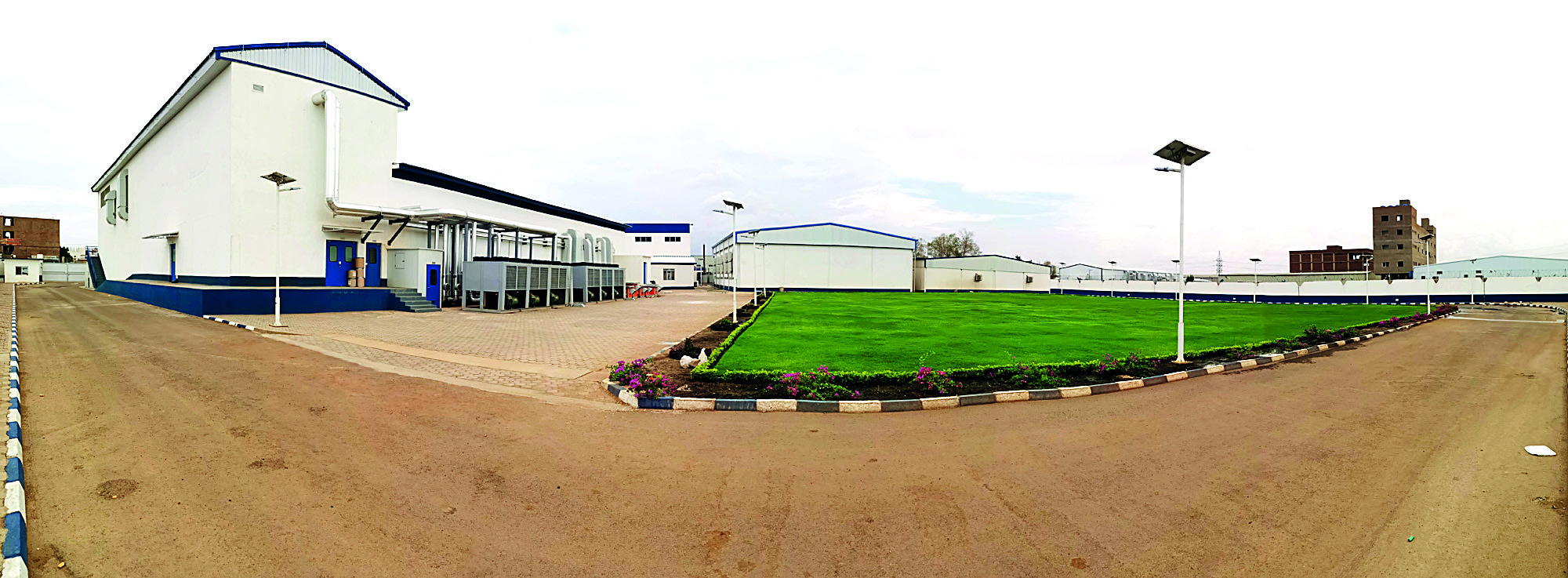
At present, we produce more than 60 products locally in Sudan, with a total annual output of 400 million tablets/capsules from two production lines. The main product lines are in the fields of anti-malaria, antibiotics, cardiovas cular, diabetes, gastrointestinal, other common diseases and chronic diseases. In accordance with our vision, we will continue to focus on local R&D and production efforts in the future. For imported products, there will be some adjustments, mainly based on the demand of the Sudan market, hoping to achieve a win-win situation for enterprises and society.
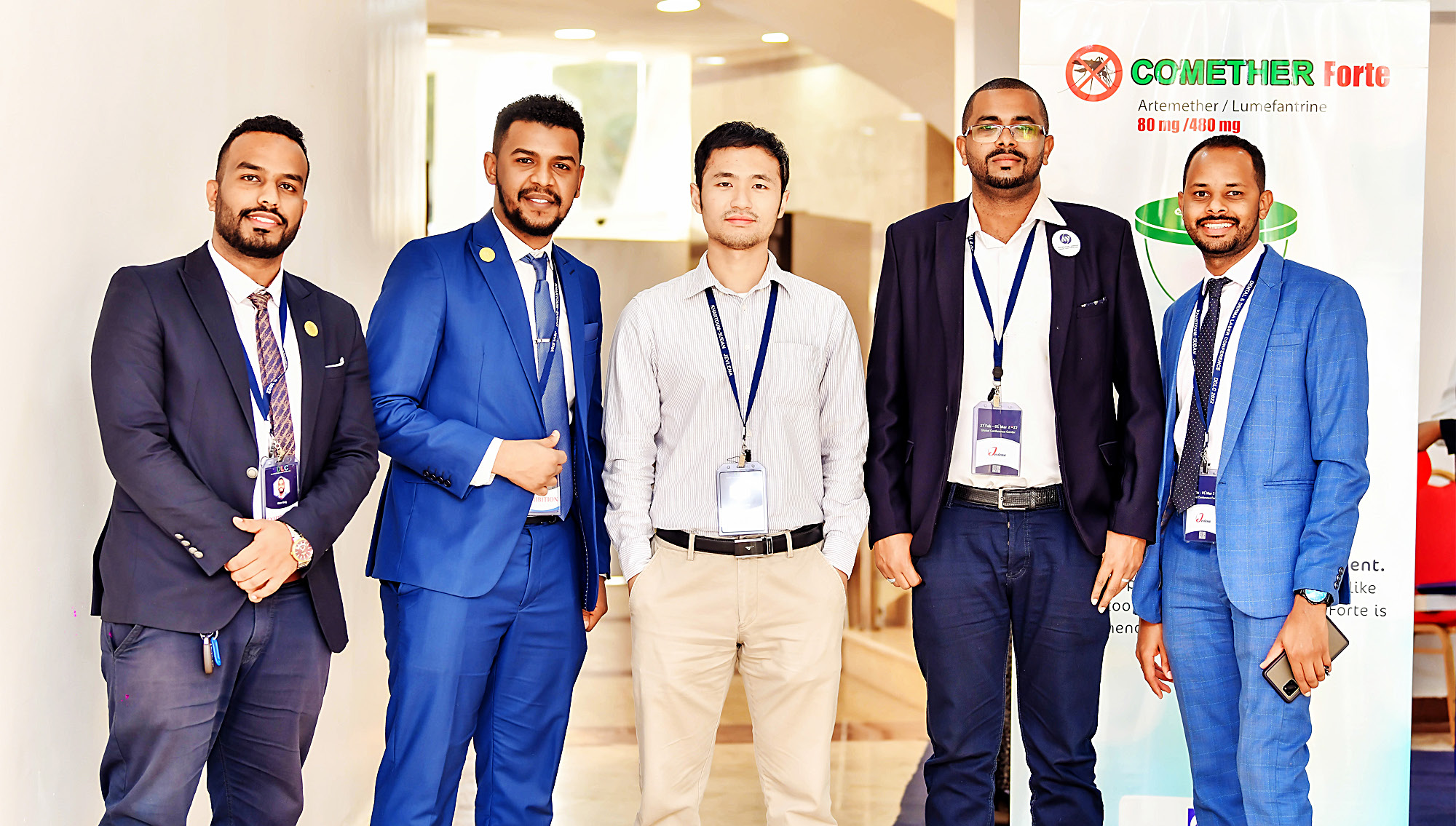
Our products are well received in the Suda nese market, which is also the reputation that we have been adhering to “Quality First” for 20 years. Among these products, antimalarial and antibiotic products are the most popular, especially for oral antimalarial preparations, where we are the largest local manufacturer in Sudan. The market is the best touchstone, when you produce a product with the patient in mind, recognition becomes a natural thing..
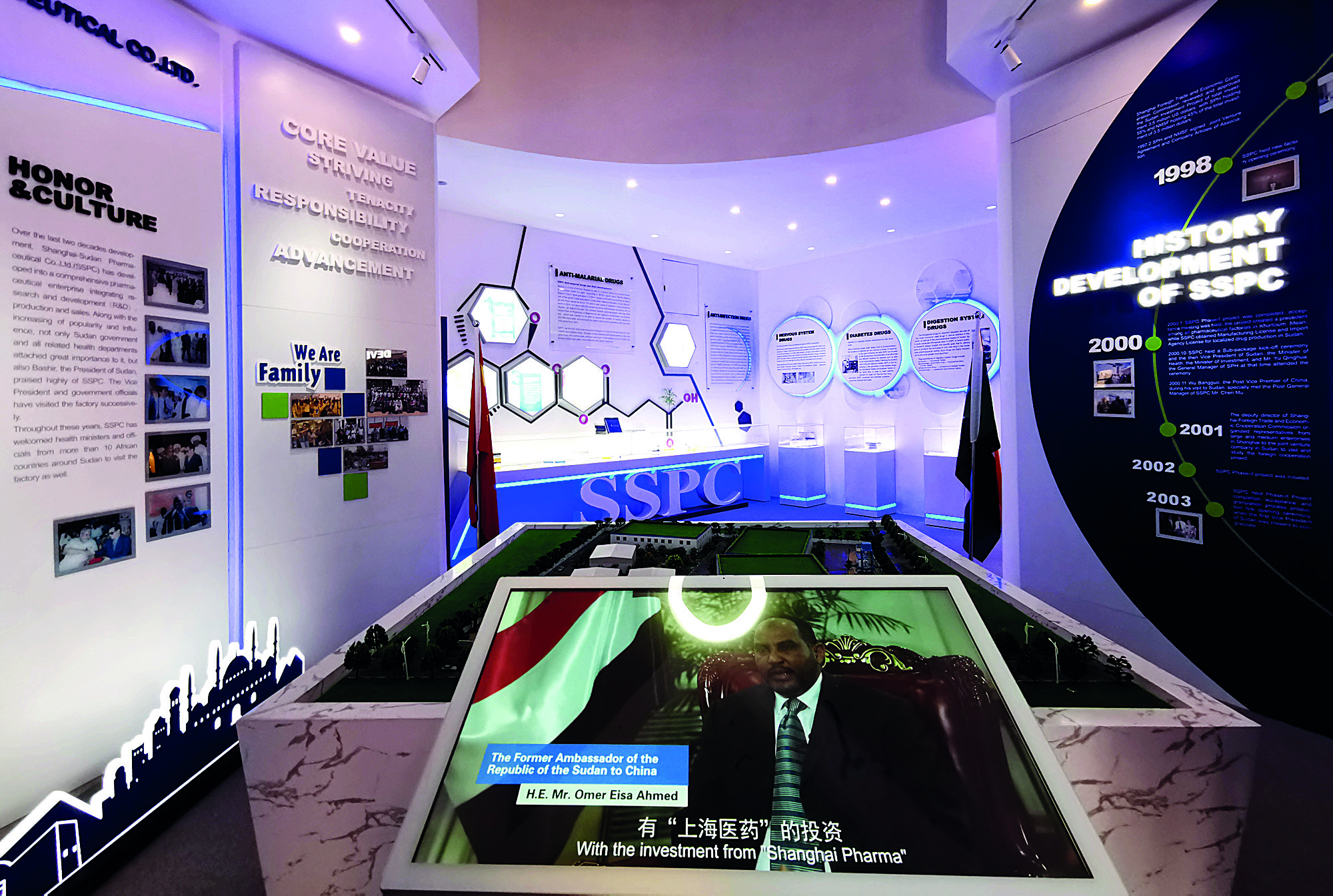
Over the years, we have been thinking about how to expand operations and feed back to the Sudanese market. Regarding the future, the senior management team has also had in-depth discussions, committing to the long-term confidence in the market, and has proposed several plans for further investment. The ß-lactam solid preparation workshop, completed two years ago, is part of this pack age. The actual operation of the production line is slowly coming to its potential. In the long term, we still believe in a positive future in the Sudanese market, and as a result, a justification to expand our operations. Before that investment opportunity comes, we will prepare ourselves and make efforts to improve the medical and pharmaceutical situ ation in Sudan with our professional skills.
Sudan Business Magazine