
EXECUTIVE INTERVIEWS > PUBLIC SECTOR
REFLECTING SUDAN’S ARCHITECTURAL HERITAGE
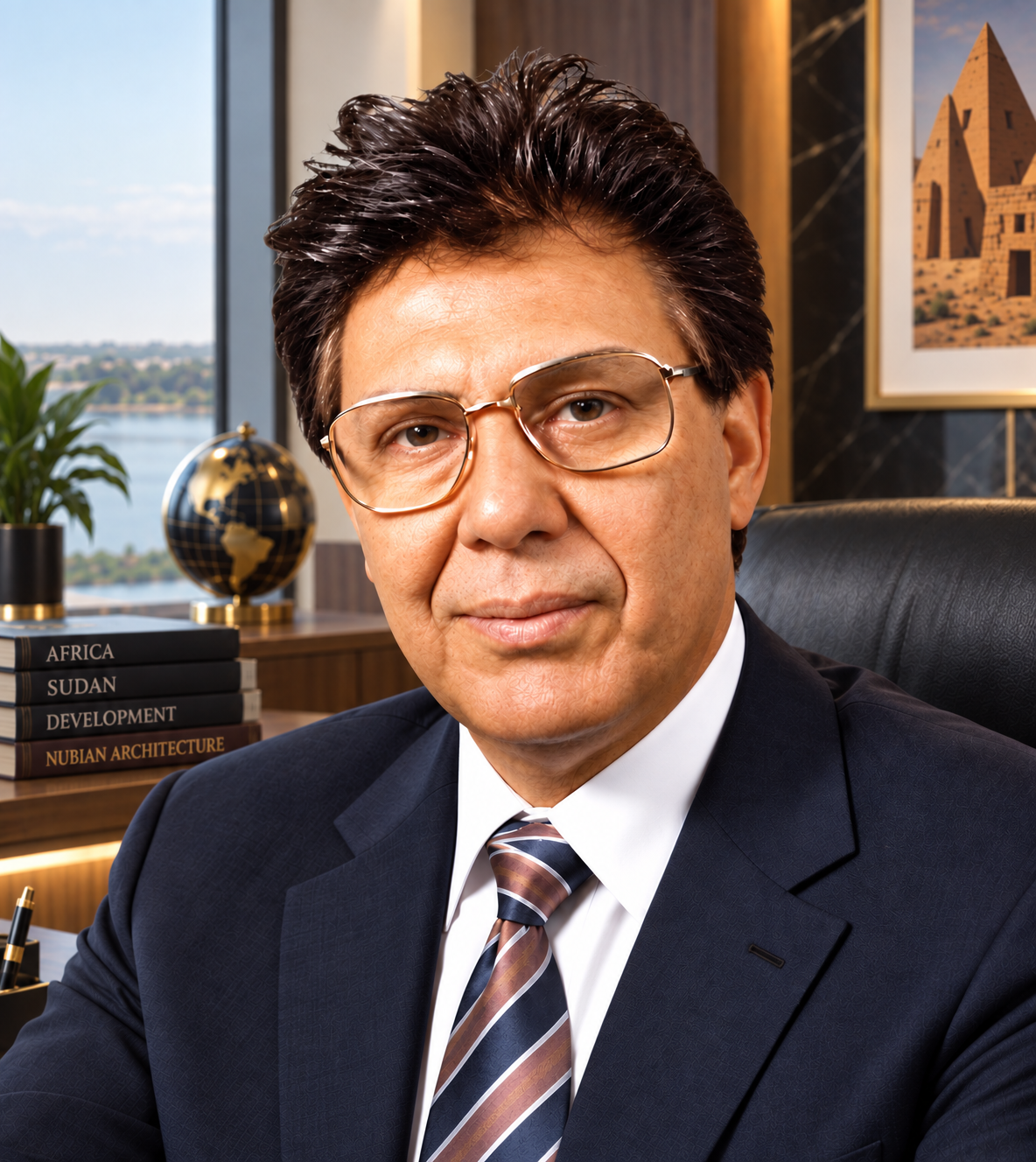
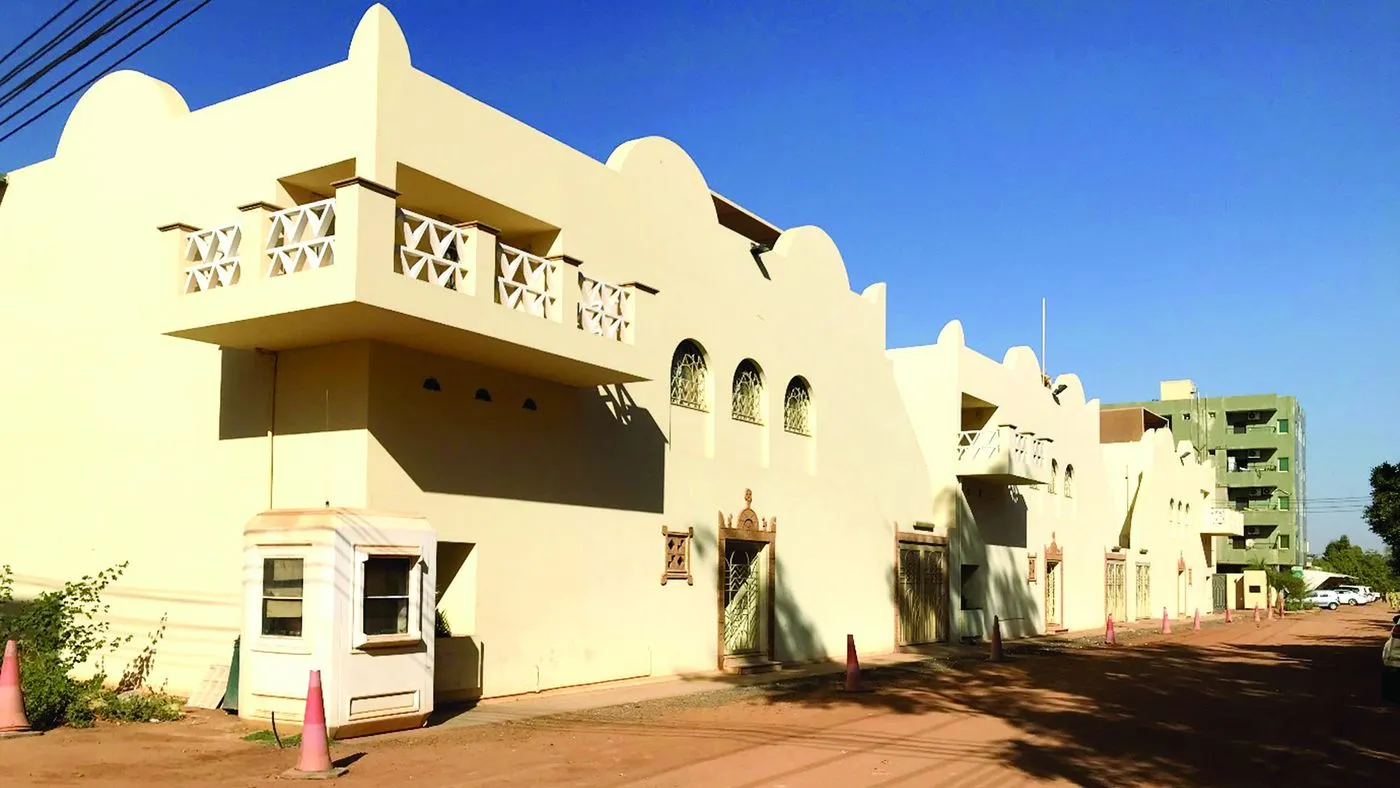
My passion for drawing and sketching began when I was still a child. I was consistently intrigued by the various methods I could use to perfect my art. When I was granted a scholarship to study in Poland, I was delighted. I joined the Academy of Fine Arts and excelled in all the subjects. However, after observing my skills, my attention to detail, and knack for integrating practicality in my drawings, my professor advised me to study architecture. From day one at this new program, I knew I already possessed the skills and design sense required to perform well in this field.
My background is diverse and multi-cultural, which only adds to my skills and knowledge across various spheres of life. While my father was an Armenian who converted to Islam, my mother was Sudanese and of a Morrocan and Arak’iyeen descent. In fact, my mother was related to Alsheikh Abd’Albagi of Taiba in Wad Medani. Growing up, I observed the cultural phenomenon of all these various backgrounds, which had a profounds impact on how I perceived art and architecture. My multi-cultural background provided me with exposure to diverse architecture, which continues to inform my work. This environment certainly influenced all of my designs.
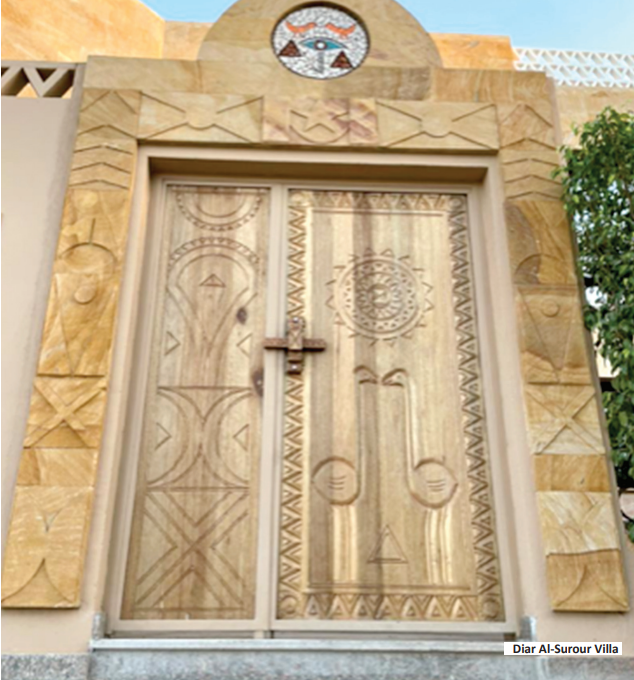
Currently, Nubian architecture is not internationally recognized. It is certainly important to improve the exposure enjoyed by this innovative architecture. Today, Sudan and Egypt’s favorable climate and wonderous forms make them the perfect centers to create Nubian architecture. However, this form of architecture remains underutilized even today and gains inadequate recognition and exposure. To change this situation, the only possible solution is to continue working on this form whenever possible. Coordinated efforts of Sudanese architects to integrate Nubian architecture can put this design form on the map. This form of cultural heritage should not be ignored or overlooked any longer.
For me, Dar Mabrouka lies the closest to my heart when it comes to residences, because it was not only my personal project, but it also employed the Nubian style seamlessly. This was my first effort to persuade other architects to follow suit.
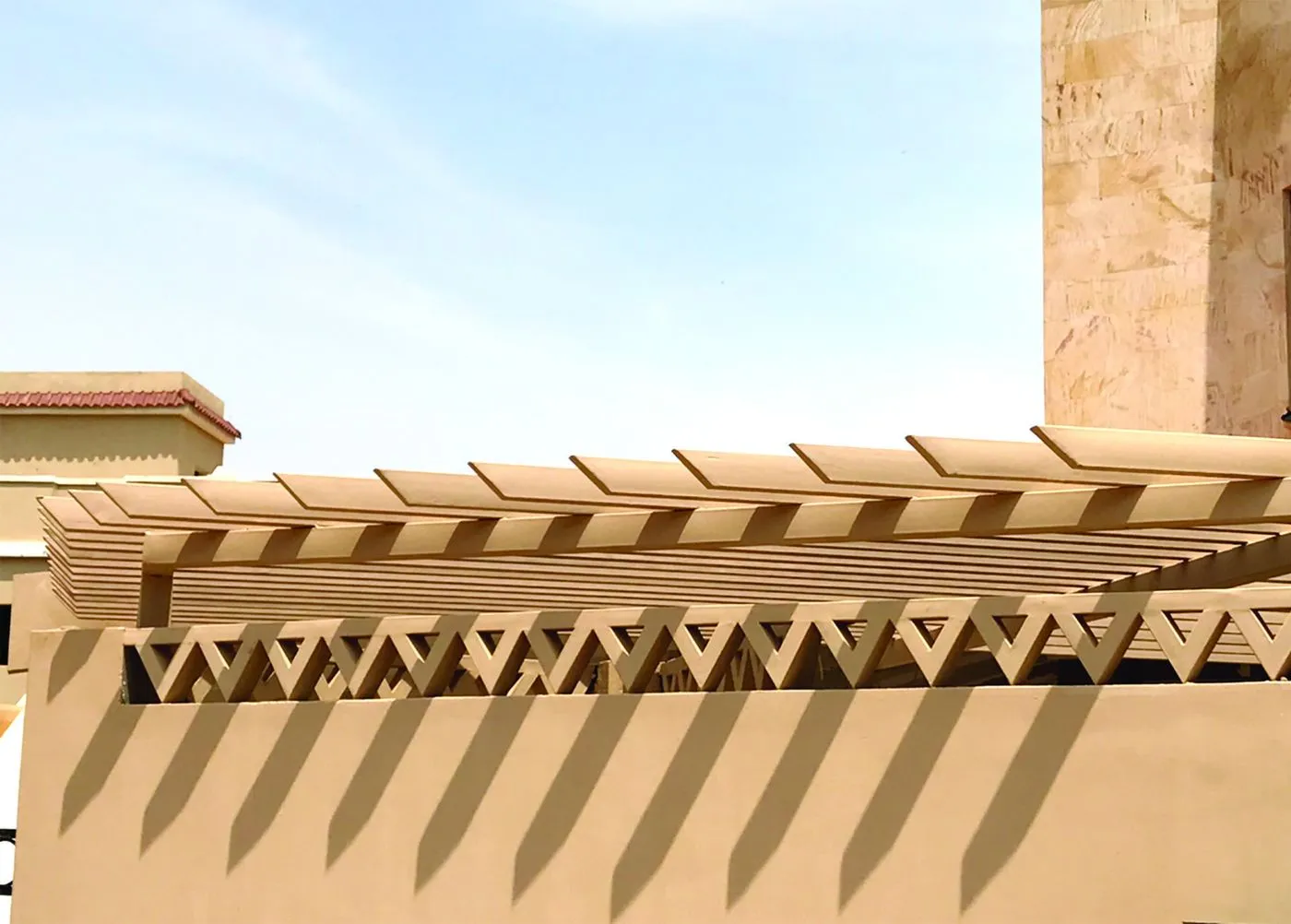
When it comes to commercial buildings, there are many that I am proud of. For each of my projects, I dedicate all of my efforts and my passion to deliver perfect outcomes.
However, in particular, the Sagana and Kassala Blue Nile Mashreq Banks remain my greatest achievements in this particular sphere due to their adoption of regional and vernacular architecture and their seamless juxtaposition with modern components.
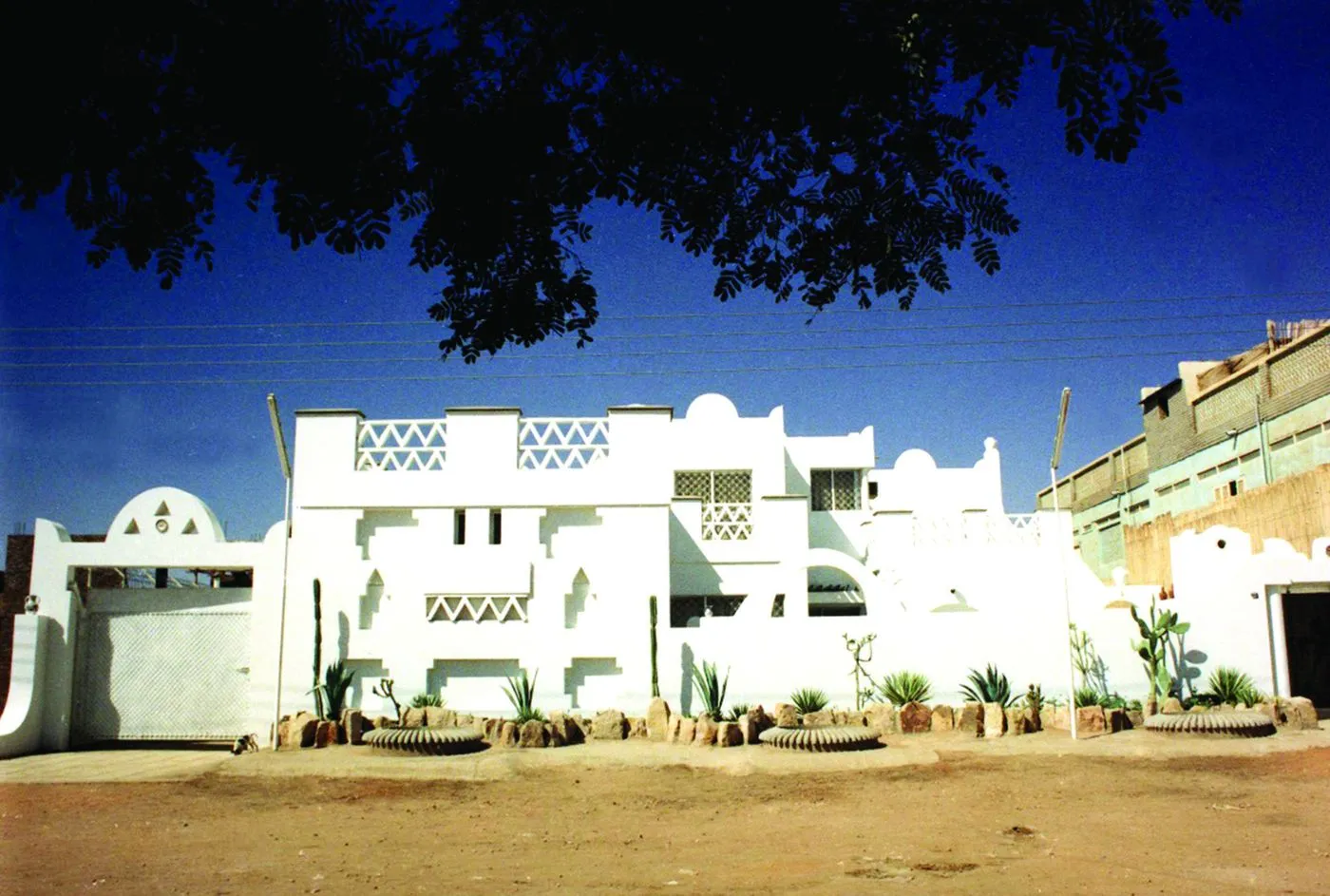
Sadly, modern architecture fails to live up to the grandeur of the past. Today, chaos and confusion are rampant and architecture is replete with unintentional complexity. This can be attributed to the mindless mimicry of Western styles that leads to the creation of messed up and disfigured architecture. To resolve this, there is a need for architects to go back to their Sudanese roots and culture when working on their designs.
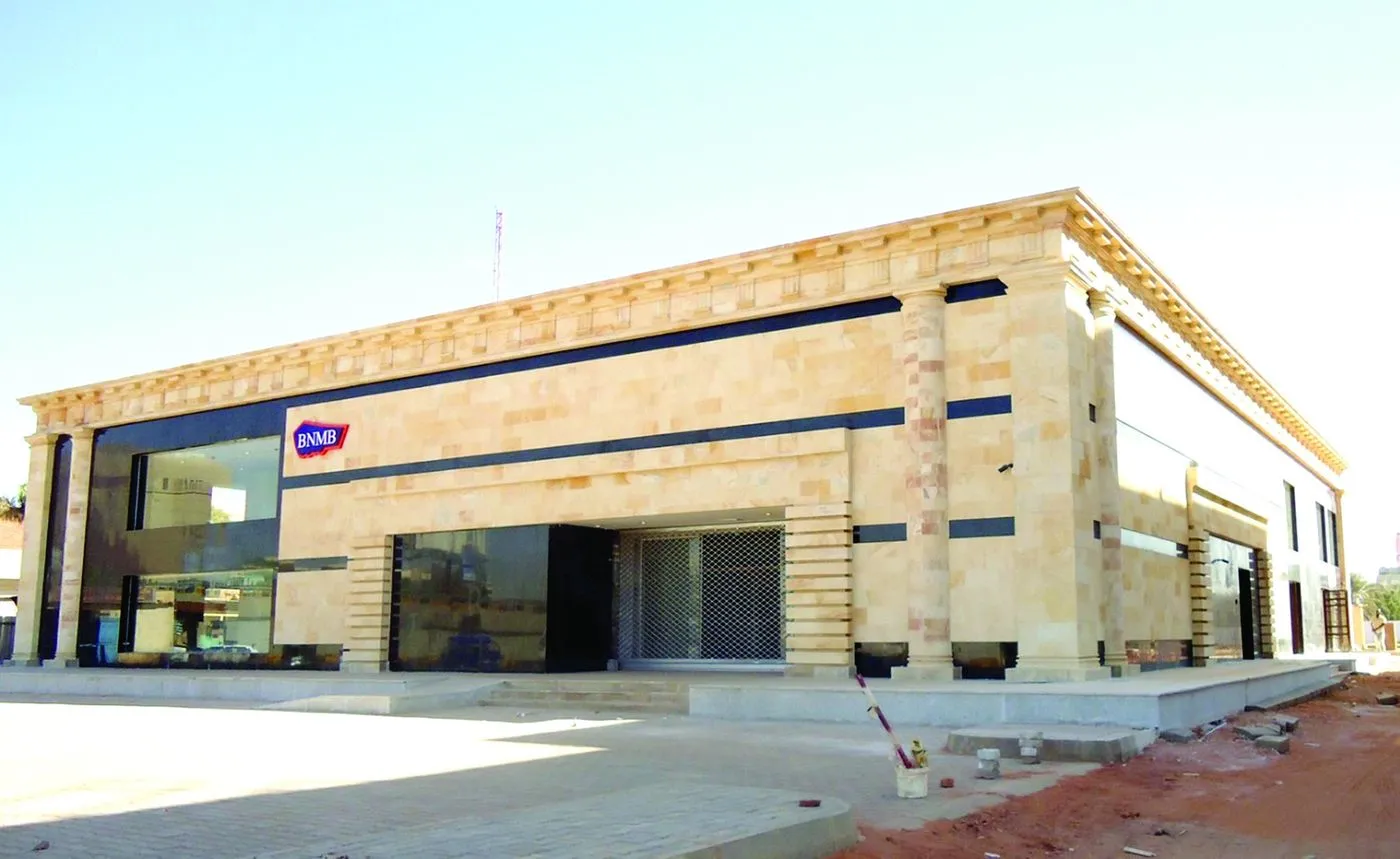
I want my Sudanese colleagues to get acquainted with our heritage and culture, because that would help them create functional architecture. While Western designs and architecture may be attractive due to their simplicity, the history and intricacies behind our architectural heritage delivers commendable outcomes.
Sudan Business Magazine