
EXECUTIVE INTERVIEWS > PUBLIC SECTOR
ERICSSON IN SUDAN
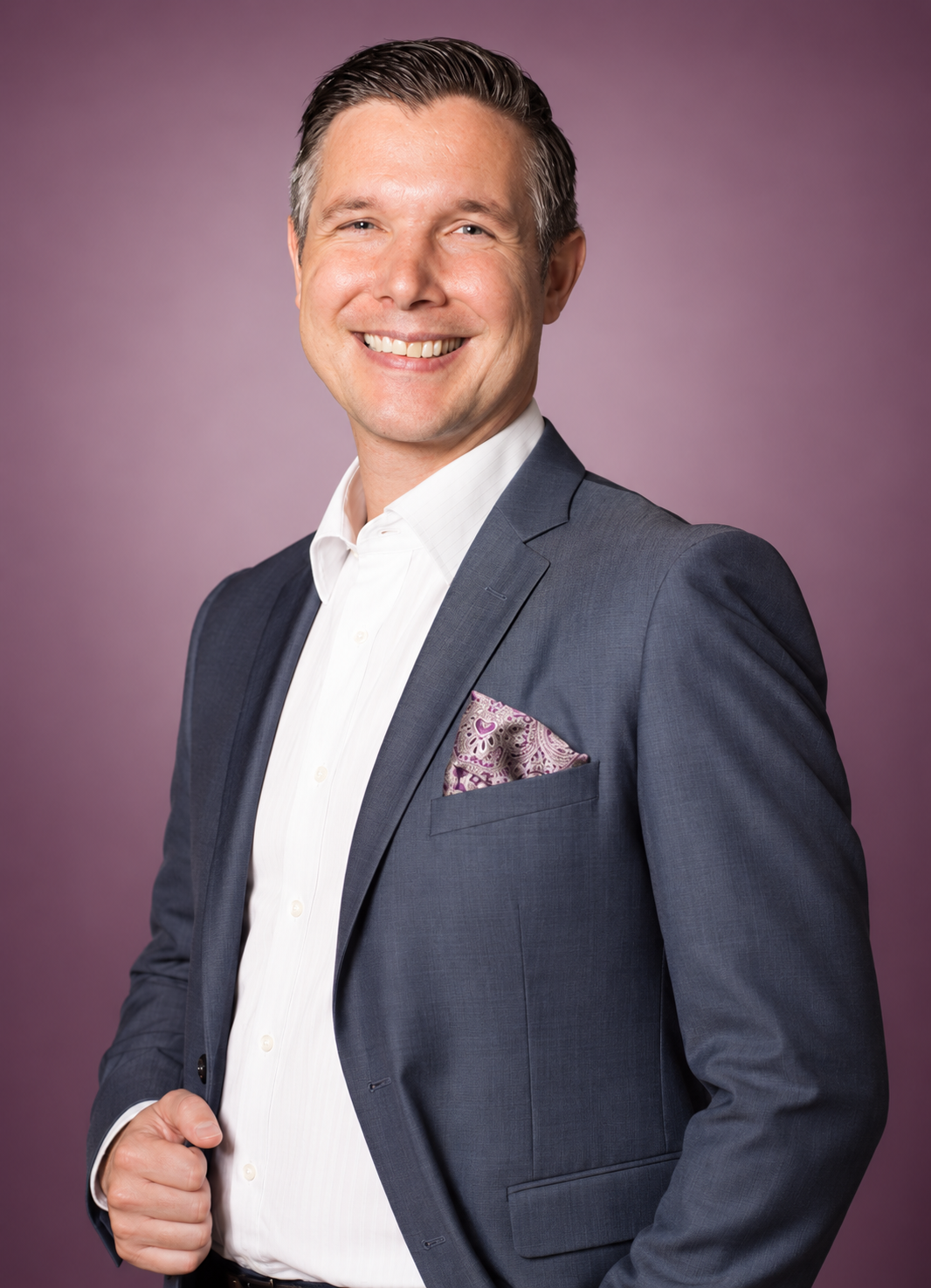
Victor Lindberg is Country manager of Ericsson Sudan and South Sudan. Lindberg assumed the role in June 2020, and prior to that was Head of Sourcing for Ericsson Gulf Countries at Ericsson. Lindberg began his career with Ericsson over 12 years ago and over the course of his career with the company, he has led teams and units in sales, sourcing, procurement and research and development across multiple geographies. He was also responsible for the development of sourcing strategies, commercial models, and handling world leading suppliers.
Lindberg has a Masters’ of Science in Mechanical Engineering and Product Development from Chalmers University of Technology in Sweden and currently resides in Khartoum with his wife and three children.
“BUSINESSES SUCH AS AGRICULTURE AND LOCAL MANUFACTURING CAN BENEFIT A LOT FROM THE EFFICIENCIES TO OPERATIONS THAT 5G ENABLES.”
I’ve now been here in Sudan for just under a year and it has been very easy to settle in thanks to the amazing hospitality of the Sudanese community here. It’s great to be here and be part of these exciting times of change, I consider it history in the making. I’ve been very impressed when meeting both Small Medium Enterprise (SME) and large companies here in Sudan, as well as local innovation hubs which have been truly inspirational. Of course, we have many challenges to overcome, but it is great to see things moving forward step by step and faster every day, particularly in the ICT space. I believe the business culture is benefiting from continued positive development in the country. Sudan is open for business and we need to make sure to enable further business investments in the future.
We have a 145-year history in the rapidly changing environment of communications technology and have been providing hardware, software, and services to enable the full value of connectivity. However, our true purpose has always been to empower an intelligent, sustainable, and connected world, creating intelligent technologies that drive positive change. This is at the heart of what Ericsson does and is key to our success for over a century. Connectivity is now a corner stone in our daily life and to run our business. I think the current Covid-19 pandemic has also made it even more clear that ICT is a critical infrastructure – enabling us to continue working remotely and stay connected with friends and family while managing the pandemic. As such it’s important that we continue developing and evolving the ICT industry together, from businesses and regulators to academia. Everything that benefits from being connected will be and we are seeing that happening today with everything from normal voice and data to the Internet of Things with smart agriculture, healthcare, schooling and making manufacturing more efficient.
Ericsson has been present in Sudan since 2002 and we are here to stay. We continue to engage with our customers the service providers, regulators, and partners on topics important to our technology and business. We are providing our advanced technology infrastructure to our customers, the telecom operators in Sudan and globally. It’s also key that we continue advising both customers and regulators on global best practice for mobile spectrum and mobile technology so we can have an efficient and strategic approach to contributing to the national efforts in evolving the ICT sector in Sudan.
Ericsson Wallet Platform is aimed at empowering financial management, including for people who don’t have access to traditional banking services. It will deliver easy-to-use financial services to end users through the ability to store, transfer and withdraw money, pay merchants and utility providers, use financial services such as savings and loans. Mobile Money solutions also enables access to health and education services as well as helping to create employment opportunities, so we definitely see it as an important solution to providing access to financial systems and expect that it will continue to pick up quickly across Africa.
The technology must go hand in hand with the need of people and businesses. All our existing infrastructure that we roll out today and have rolled out over the past few years is ready for 5G with the flip of a switch. So 5G could be enabled quickly in Sudan, but when it’s time to activate, it must be discussed broadly with the regulators and come from a need basis. 5G enables so many things such as real time latency, quicker speed, more secure connectivity and much more energy efficient connections. The use cases will decide when 5G will become the mainstream technology in Sudan and we are ready to support. Businesses such as agriculture and local manufacturing can benefit a lot from the efficiencies to operations that 5G enables. The technology also allows end users to benefit from higher speeds and lower latency that can enable innovation in Sudan. I believe we have an exciting future ahead for 5G in Sudan and hope we’ll be a part of that.
(Incubation, innovation awards, reaching out to universities) Innovation is part of our DNA and we support that both internally and externally. We work actively with local universities and innovation hubs to support our local innovators and Small Medium Enterprise (SME) with guidance, mentorship, and knowledge sharing. One of our key initiatives is our global Ericsson Innovation Awards which runs yearly supporting local innovators. We also work together with our customers and universities to arrange hackathons, university competitions and internship programs. We also conduct Tech Breakfasts to share the latest information about our technology and business to help spark innovation and support local innovators when we can. I think together, businesses, innovation hubs, academia and regulators can achieve a lot. I learned an African proverb that I truly believe in; “If you want to walk fast, walk alone. But if you want to walk far, walk together.” I think that is very true when it comes to innovation, so I hope that we continue support each other and make Sudan a shining star of innovation.
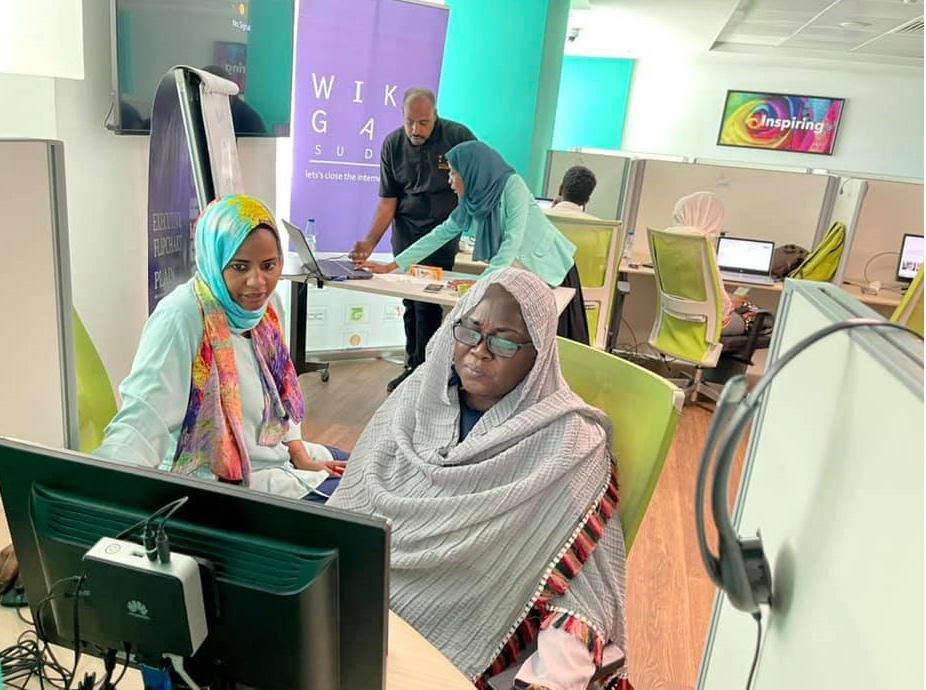
Our industry is one of the few that touches almost everyone, everywhere daily, technology and expertise are helping to solve global challenges, across broad themes. As a critical infrastructure we must ensure connectivity is available to every individual and every business as we truly believe that connectivity is key to socio- economic development both in Sudan and across the globe. Furthermore, the effective use of ICT by businesses can result in greater productivity leading to greater competitiveness and thus sustainable economic growth, a precondition for social elevation.
Sudan Business Magazine